How a Standby Home Generator Keeps Your Family Ready for the Next Storm in Wellford, SC
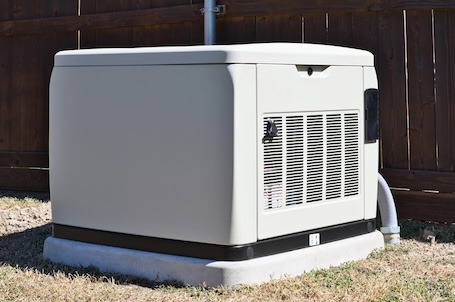
Summer pop-up storms and the occasional winter ice can knock out power around Wellford. A reliable standby home generator gives your family steady lights, heating or cooling, and everyday comfort when the grid goes dark. If you are weighing your options, start with a quick look at how these systems work and how Rudin Electric LLC helps you choose and install the right setup for your home.
For homeowners who want a seamless solution, explore automatic systems and placement details on our duromax generator installation page. It shows how an authorized installer integrates the unit with your panel and prepares your home for quick, safe switchover.
What A Standby Home Generator Actually Does
A standby generator sits outside like an air conditioner. When neighborhood power drops, an automatic transfer switch senses the outage and brings the generator online in seconds. Your selected circuits stay on, so life keeps moving.
- It powers essentials like refrigeration, lighting, Wi‑Fi, and medical devices.
- With proper sizing, it can support large loads such as HVAC or a well pump common on properties around Duncan and Lyman.
Never run portable equipment indoors or in a garage. A permanently installed standby system is fixed outdoors and tied in by a licensed electrician for safe operation during storms.
Why It Matters In Wellford, SC
In the Upstate, fast-moving thunderstorms and leftover bands from coastal systems can bring sudden outages. Many Wellford streets have mature trees and above-ground lines, which can add risk in high winds. A correctly sized, professionally installed automatic standby generator keeps daily routines steady while utility crews restore service.
Think about local priorities: homes near Tyger River Park may rely on sump pumps during heavy rain, while homes off I‑85 value steady HVAC for comfortable indoor temps on hot afternoons. A good design fits your real life, not a generic checklist.
How A Standby System Fits Your Electrical Panel
Your panel is the heart of the plan. During design, an electrician maps the circuits that matter most and confirms the panel and grounding can handle the generator’s output. In some cases, pairing the installation with an upgraded or well-maintained panel improves reliability and helps avoid nuisance trips when the system transfers.
Many homeowners also choose a portable generator transfer switch for a detached workshop or as a secondary backup for a few circuits. Your electrician can explain which approach suits your layout and goals.
Standby vs. Portable: Which One Works For You
Both options have a place. Standby systems are automatic and quiet. Portable units cost less up front but require setup, refueling, and manual switching during bad weather. If you are comparing paths, this short read explains the tradeoffs in plain language: standby vs. portable generators guide.
Plan for safe power transfer. Whether you choose a fully automatic system or a manual setup, the transfer equipment must isolate your home from the grid to protect neighbors and utility crews.
What To Expect During Professional Installation
Every home is different. Soil type, gas route, panel location, and clearances all affect the plan. Your installer will handle site evaluation, equipment placement, wiring, testing, and homeowner walkthrough so you know how the system behaves during an outage.
- Site and placement: choose a level spot with proper distances from windows and vents.
- Fuel choice: natural gas is common in the Upstate; propane is a strong option where gas is not available.
- Load priorities: kitchen, HVAC, home office, medical devices, or a well pump often lead the list.
Avoid DIY shortcuts or improvised connections. Improper wiring can damage appliances and put people at risk. Generator work belongs with a licensed electrician who follows current safety standards.
Local tip: Schedule your generator installation before peak storm season. Lead times are more predictable in mild weather, and you will avoid the last‑minute rush when a system rolls through the Upstate.
If your property relies on a well, make that circuit a top priority in your design so water keeps flowing during an outage.
Choosing The Right Size For Your Whole House Generator
Sizing depends on what you want to keep running. A home near downtown Wellford with gas heat may focus on lights, refrigeration, and air handling. A larger spread outside town may add a well pump and HVAC. Your electrician will look at your panel, major appliances, and start‑up loads to recommend the right capacity for your lifestyle.
Remember that comfort is more than watts. Quiet operation, enclosure quality, and service access all matter. A well-matched system reduces stress when lines of storms pass over the Upstate at dinnertime and again overnight.
Power Quality And Surge Protection
Not all power events come from the weather. Voltage spikes can happen when the grid returns or when large loads cycle on. Pairing your generator with layered protection helps keep electronics and HVAC boards safe. If this is on your list, see how a properly integrated standby system works with whole‑home safeguards to protect your investment.
For added defense, consider dedicated protection at the panel and at key devices. This strategy helps sensitive equipment ride through outages, returns, and everyday fluctuations.
Storm Readiness Without The Stress
A steady plan beats last‑minute runs for candles. Keep a short household list of the items you expect to power and store it somewhere easy to find. That makes design choices faster and gives your installer clear direction. It also helps you decide whether whole‑home coverage or essential‑circuits coverage is the best fit.
Test days matter. Automatic systems perform periodic self‑checks so you do not have to guess. Ask your installer how to read the status lights and what a normal weekly exercise looks and sounds like.
Why Work With A Local Electrician You Trust
Standby generators are a long‑term investment. You want clean wiring, solid grounding, and a careful test before anything is left on automatic. Rudin Electric LLC brings local experience with Upstate homes, lot layouts, and utility coordination so your system starts right and runs right.
If you are just beginning, a quick conversation can save time. Start at our home base to learn what a standby home generator in Wellford, SC can do for your family, then schedule a visit to map your circuits and fuel plan.
Common Questions From Wellford Homeowners
What can I power? That depends on size and priorities. Many families cover the kitchen, primary HVAC, and core lighting. Others choose essential circuits only to stretch runtime. Your installer will help you decide.
Where will it go? Most units sit on a small pad along a side yard, with fuel and electrical runs planned to reduce visual impact and keep service access simple.
Is there maintenance? Every manufacturer recommends routine care. Rudin Electric LLC focuses on professional installation and safe integration. Ask your installer for the manufacturer’s maintenance schedule and local service options for your specific model.
Ready To Feel Prepared Before The Forecast Changes?
When the radar lights up, it feels good to know your plan is set. See how an authorized installer outfits your home for smooth, automatic backup by visiting our page on duromax standby generators. If you need a flexible plan for a shop or outbuilding, compare options like a portable generator transfer switch in the same conversation.
Call 864-906-9900 to talk with Rudin Electric LLC about placement, sizing, and the circuits that matter most in your Wellford home. We will help you build a simple, reliable plan so your lights, comfort, and routines stay on when the grid does not.

Get In Touch With Our Electricians in Greenville, SC Today!
Contact us to schedule your service today.