Standby vs Portable Generators: Which Backup Power Option Fits Your Greenville Home?
Summer thunderstorms roll over Paris Mountain. Winter cold snaps glaze roads from Travelers Rest to Simpsonville. Power flickers, then goes out. If you live in Greenville, you know the drill. The right generator can keep your lights, fridge, internet, and medical devices running when the grid goes quiet.
Below, we break down standby and portable generators in plain language so you can choose with confidence. If you want expert help sizing a system and planning placement, our licensed team at Rudin Electric LLC handles safe, code-compliant home generator installation for neighborhoods across Greenville, SC.
Why Backup Power Matters in Greenville, SC
Our area sees fast-moving summer storms, the tail end of tropical systems, and occasional ice that can weigh down lines. Outages are often brief, but some last overnight or longer. That can mean spoiled food, lost work time, and uncomfortable indoor temps.
Homes in Augusta Road, North Main, Overbrook, and the Eastside often have mature trees and overhead service drops. These settings are beautiful, but they can add outage risk during high winds. A matched generator and professional setup reduce stress when the forecast turns rough.
Standby Generators: Set-It-and-Forget-It Reliability
Standby generators are permanently installed outside, similar to an air conditioner. They connect to an automatic transfer switch that senses an outage and starts the unit within seconds. Power returns to selected circuits or, with the right size, your entire home.
Most standby systems run on natural gas or propane. That means long runtimes without refueling. They also self-test weekly, which helps ensure readiness and can make maintenance more predictable.
Best Fit For
- Homes that need seamless power for medical devices, work-from-home needs, or sump pumps
- Properties with natural gas service or room for a propane tank
- Homeowners who want automatic operation and minimal interaction
Important: A standby generator must be placed with proper clearances from windows and vents, and sized by a licensed electrician who understands your panel, gas supply, and load priorities.
Portable Generators: Flexible and Budget-Friendly
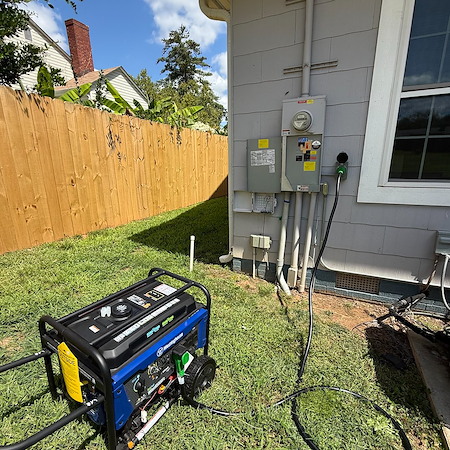
Portable units are mobile and typically gasoline powered. You wheel them out, start them, and connect them to specific loads or a professionally installed inlet and manual transfer switch.
They are a practical pick for smaller homes, townhomes, or backup needs limited to essentials like a refrigerator, a few lights, and a router. They store easily in a garage or shed between storms.
Best Fit For
- Occasional outages where basic comfort is the goal
- Homes without natural gas service
- Owners comfortable with manual setup during a storm event
Safety first: Keep portable generators outside on a level surface, never in a garage or carport, and use outdoor-rated cords. Install working carbon monoxide alarms on every level of your home.
Head-To-Head Comparison: Which Fits Your Home
Start-Up and Convenience
Standby: Automatic start and transfer within seconds. You do nothing, which is ideal when you are away or when outages happen overnight.
Portable: Manual setup and refueling. You decide what to power, which takes time and planning during bad weather.
Power Capacity
Standby systems can support whole-home needs with correct sizing, including HVAC and well pumps. Portables typically serve a limited set of circuits or appliances to stretch runtime and fuel.
Fuel and Runtime
Standby units on natural gas or propane provide extended runtime. Portables run on gasoline and need refills. Fuel storage should be planned well ahead of storm season.
Noise and Placement
Standby generators are engineered for outdoor operation with enclosures and sound management. Portable units vary widely in noise level. Placement matters for both, especially in close-lot neighborhoods like North Main or over near Greer and Taylors.
Local tip: Greenville often sees quick storms that pass at dinner time, then another band after midnight. A standby unit’s automatic transfer protects refrigerators and freezers while you sleep, and a weekly self-test keeps it ready without guesswork.
Fuel and Runtime Considerations for Upstate Weather
Natural gas service is common across much of Greenville, which makes fuel supply simple for standby systems. Where gas is not available, propane provides a stable alternative with on-site storage sized to your needs. Portable owners should rotate gasoline stocks and use stabilizer according to manufacturer directions.
Never backfeed power through a dryer outlet or any improvised connection. Backfeeding can endanger utility crews and your neighbors. A transfer switch is the safe way to isolate your home from the grid during generator use.
Noise, Siting, and Aesthetics in Greenville Neighborhoods
Lot sizes and setbacks vary from Augusta Road cottages to newer builds in Five Forks. A proper site plan considers clearances, prevailing wind, window locations, gas or propane routing, and service access for maintenance.
Many homeowners prefer discreet placement behind landscaping or along a side yard. Your electrician will also look at panel location to keep wiring runs efficient and tidy. This planning prevents surprises on installation day and helps keep neighbors comfortable during operation.
Safety and Maintenance Homeowners Should Know
Today’s generators are built for reliability, but they still require the right setup and care. Standby systems benefit from scheduled maintenance, battery checks, and periodic load testing. Portables need fresh fuel, oil changes, and clean filters before storm season begins.
Protect sensitive electronics with appropriate surge protection. Not all generators produce identical power quality, and a layered strategy helps keep your HVAC, fridge, and devices safe.
Professional maintenance also catches small issues early, like a weak starter battery or a loose gas fitting. That kind of routine attention goes a long way during an ice event or after a day of lightning across the Upstate.
How To Choose: A Simple Path to the Right System
Start with your goals. If you want your life to keep moving without interruption, a standby system is usually the best fit. If you only need essentials a few times a year and you are comfortable setting up equipment, a portable unit can work well.
Next, list the circuits that matter most. Kitchens, primary HVAC, well pumps, and home offices are common priorities. From there, have a licensed electrician perform a load assessment. At Rudin Electric LLC, we match generator size, transfer equipment, and fuel supply so your system serves your actual home rather than a generic checklist.
If you want a deeper dive into equipment options and installation steps, review our guide to whole home generators and how they integrate with transfer switches and fuel lines. This helps you understand what will happen on your property, from permitting and utility coordination to final testing.
You can also learn how we approach standby generators in Greenville, SC as part of a complete electrical plan that includes panel health and surge protection. The goal is a balanced system that is safe, quiet, and ready when the power blinks.
Real-World Scenarios Around Greenville
North Main bungalow with gas heat and a finished basement: A compact standby unit keeps the furnace, fridge, and essential lighting on, which protects the pipes and keeps work-from-home setups running. The automatic switchover is helpful during overnight outages that follow a day of freezing rain.
Simpsonville two-story with a newborn at home: Reliable HVAC and hot water are top priorities. A standby system with an automatic transfer switch removes the hassle of refueling in bad weather and keeps indoor air comfortable.
Taylors ranch on a well: Water is part of the essentials list. A correctly sized standby or a portable paired with a manual transfer switch can cover the well pump plus key circuits for daily comfort.
What About Transfer Switches and Panels?
Transfer switches make generator power safe by separating your home from the utility lines during an outage. Standby systems use automatic transfer switches. Portable setups use a manual version. Your electrical panel, breaker capacity, and grounding all factor into the design.
Do not improvise connections with extension cords through windows or doors for major appliances. A professionally installed inlet and switch solution is safer, cleaner, and easier to operate when the weather turns rough.
Seasonal Planning for Greenville Weather
Thunderstorm season peaks in late spring and summer. Ice risk rises in mid to late winter. Plan your system before the season hits so you are not rushing with everyone else the day before a storm. That timing helps with scheduling, fuel planning, and any utility coordination that may be needed.
If your home sits under large pines or oaks, consider branch clearance and roof health as part of your preparedness. Generators are one piece of a larger resilience plan that can also include surge protection and reliable smoke and carbon monoxide alarms.
Ready for Reliable Backup Power in Greenville?
When the next storm line forms over the mountains, you will be glad you made a plan. Schedule a right-sized assessment with Rudin Electric LLC and get a system designed for your home, your panel, and your lifestyle. Our team will outline options and help you decide between a portable setup and a fully automatic standby system.
To get started, call 864-906-9900 or request a visit. We will review placement, fuel choices, and transfer equipment, then provide a clear scope for installation. If you are comparing options now, this overview of backup generator installation is a helpful next read before we meet on-site. Make the call today for generator service in the Greenville area.

Get In Touch With Our Electricians in Greenville, SC Today!
Contact us to schedule your service today.